

How to build Trust in your data with Data Lineage?
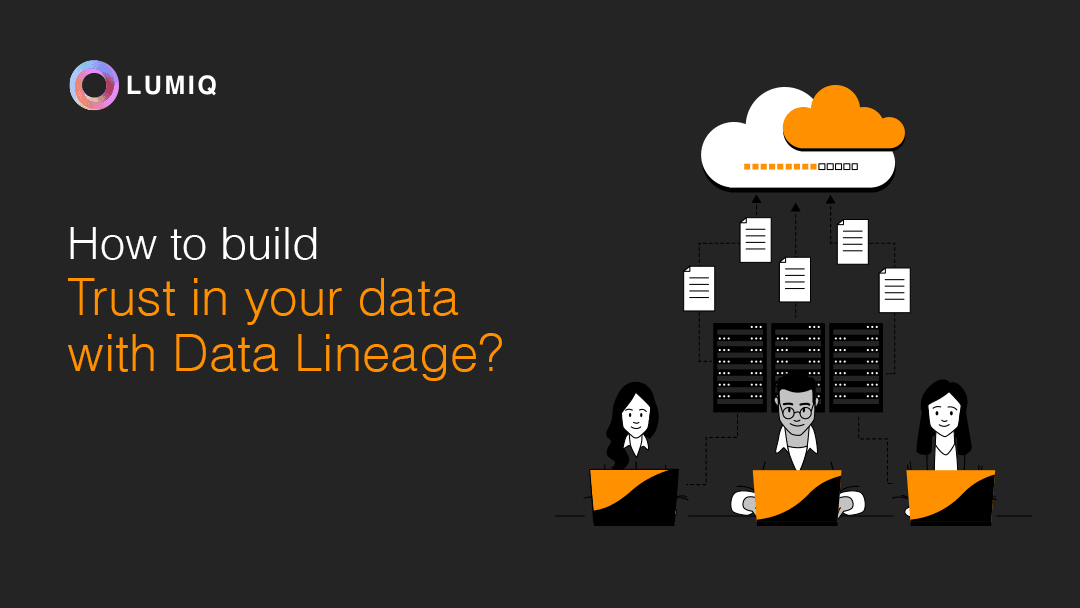
Did you know that 84% of organizations are concerned about the quality of their data, leading to poor decision-making and eroded trust? In today's data-driven world, having confidence in your data is not just beneficial—it's essential for success. Accurate and reliable data forms the foundation for key decisions, innovation, and maintaining a competitive edge.
So, how can you rebuild and strengthen trust in your data?
One critical step is implementing Data Lineage.
Data lineage acts as a detailed map of your data's journey, tracing every step from its origin to its final destination. By visualizing this path, organizations gain invaluable insights into data flows, pinpoint potential issues, and build confidence in the reliability of their data.
The Role of Data Lineage in Data Reliability
While data lineage is a vital first step, it's part of a broader strategy for achieving data reliability—ensuring that your data is accurate, timely, and consistent throughout its lifecycle. Here's how data lineage contributes to building trust and reliability in your data:
1. Identifying Data Quality Issues at the Source
Instead of reacting to problems after they've disrupted downstream processes, data lineage allows you to identify the root causes of data quality issues. By knowing exactly where and when data errors arise, you can implement proactive measures to improve the quality and consistency of your data.
Real-World Example:
A retail company noticed discrepancies in sales reports across different regions. By utilizing data lineage, they traced the issue back to a data entry error in one of their regional databases. Correcting the source error improved overall data accuracy and restored trust in their reporting.
2. Accelerating Incident Resolution
When a data anomaly occurs, understanding the full context is crucial. Data lineage offers a clear map of the affected data, enabling faster incident resolution. Teams can track errors back to their origin, saving hours of troubleshooting and minimizing business impact.
Real-World Example:
A financial institution experienced a sudden inconsistency in transaction data. With data lineage, they quickly identified a malfunctioning ETL (Extract, Transform, Load) process. Swift resolution prevented potential financial losses and maintained customer trust.
3. Supporting Regulatory Compliance
In industries like finance and healthcare, regulations around data privacy and traceability are stringent. Data lineage enables organizations to demonstrate full transparency in their data processes, ensuring compliance with regulatory standards. It also allows auditors to quickly trace the flow of sensitive data.
Real-World Example:
A global insurance company faced stringent requirements for data traceability. Using data lineage, they were able to map the flow of sensitive client data across systems, satisfying regulatory audits and reducing compliance risk.
4. Enhancing Business Intelligence
Data lineage boosts confidence in data used for business intelligence (BI) purposes. By understanding the journey of data, organizations can trust the insights derived from BI tools, knowing they are based on reliable and well-governed data.
Real-World Example:
A retail chain discovered discrepancies in its quarterly sales forecasts. By leveraging data lineage, they traced the issue back to an inconsistent data feed from a regional warehouse. Fixing this discrepancy led to more accurate BI insights, enabling better demand planning.
5. Facilitating Better Data Governance
Building robust data governance frameworks requires visibility into data flows. Data lineage offers the transparency needed for consistent data governance policies. It ensures that you have a clear picture of how data is stored, transformed, and used—crucial for enforcing governance measures.
Real-World Example:
A financial institution implementing a new data governance policy used data lineage to identify how transaction data flows across departments. This visibility allowed them to enforce governance rules and minimize data silos, ensuring compliance and reducing operational risk.
Data Lineage: A Step Toward Complete Data Reliability
While data lineage is essential for identifying and correcting data issues, it's only the first step toward achieving complete data reliability. To ensure data remains accurate and trustworthy throughout its lifecycle, organizations need to complement data lineage with other tools, such as data quality management, real-time monitoring, and incident management.
This is where a comprehensive data observability platform like PRYZM comes in.
Introducing PRYZM: Elevating Data Lineage to Data Reliability
PRYZM, a leading Data Observability platform, takes data lineage a step further. By combining lineage tracking with data quality monitoring and incident resolution tools, PRYZM enables businesses to ensure data reliability across the board. With PRYZM, organizations can:
- Identify and rectify data issues before they impact decision-making
- Ensure compliance with industry regulations by maintaining data traceability
- Streamline incident management with proactive monitoring and automated root cause analysis
Conclusion
In the journey toward achieving complete data reliability, data lineage is a critical step. It not only improves transparency and governance but also builds the foundation for accurate, timely, and consistent data.
PRYZM enhances this journey by offering a comprehensive suite of tools that turn data lineage into actionable insights. With PRYZM, you can trust your data for crucial decision-making, innovation, and growth.
Ready to build trust in your data? Discover how PRYZM's data observability platform can elevate your data reliability to new heights.
👉 Schedule a demo today and take the first step toward data excellence.